How Long Do Dental Implants Last, and How Do You Care for Them?
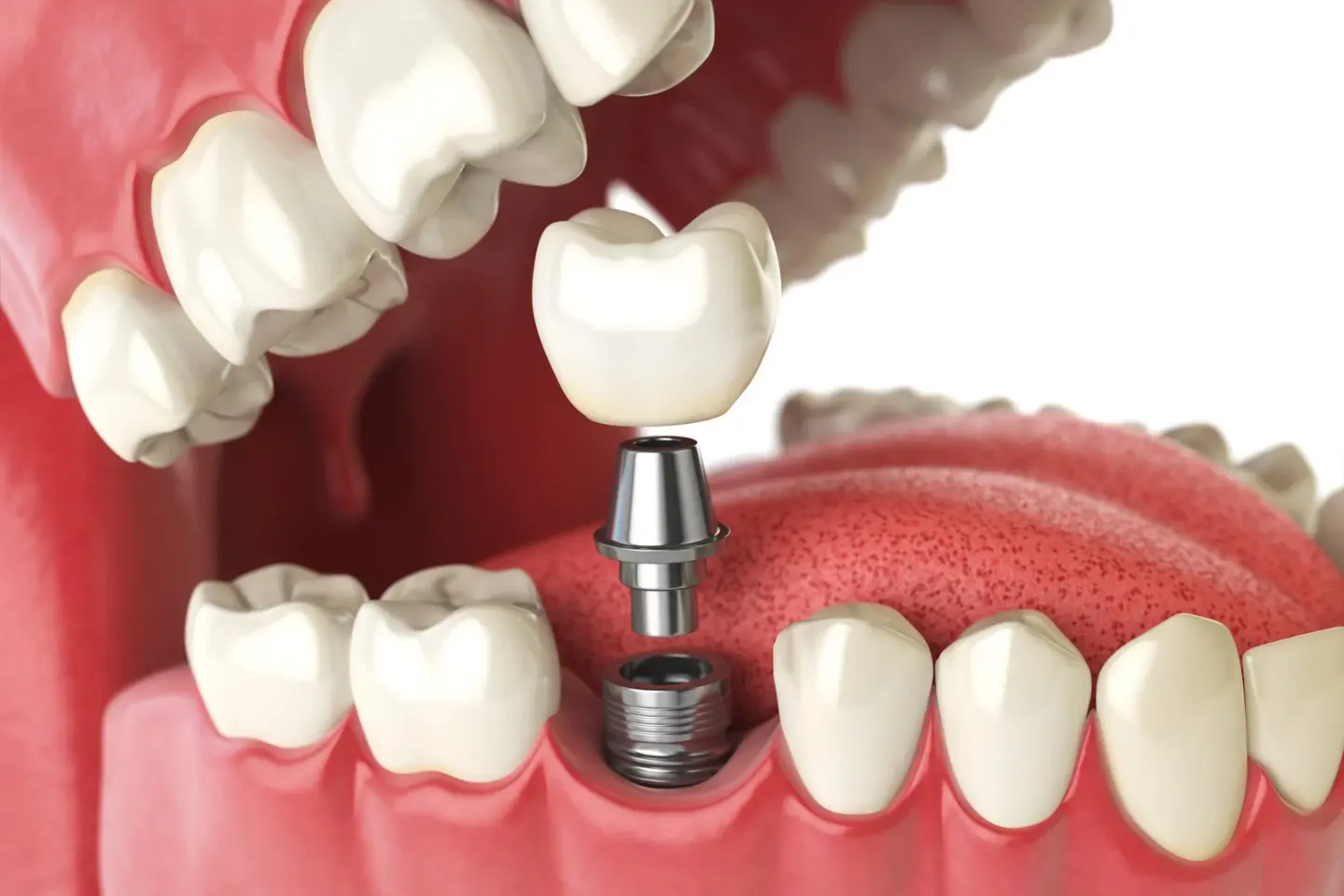
Losing a tooth can affect more than just your smile. It can make chewing uncomfortable, change the way you speak, and leave you feeling less confident about your appearance. Fortunately, dental implants offer a long term solution for replacing missing teeth. Designed to look and function much like natural teeth, implants can restore everyday comfort while helping maintain the structure of your jawbone.
One of the most common questions patients ask is, how long do dental implants last? The good news is that dental implants are designed to be a durable, long lasting tooth replacement option. With proper placement, good oral hygiene, and regular dental visits, the implant itself can last for decades.
However, the implant and the visible replacement tooth do not necessarily have the same lifespan. Understanding this difference, along with knowing how to care for your implants, can help you protect your investment and enjoy a healthier smile for years.
If you are considering dental implants in Three Rivers, MA, here is what you should know about their lifespan, maintenance, and long term care.
How Long Do Dental Implants Typically Last?
Dental implants are made to provide a stable foundation for replacement teeth. Unlike traditional dentures, which may need frequent adjustments, implants are placed into the jawbone and gradually integrate with the surrounding bone.
The lifespan of a dental implant depends on several factors, including oral hygiene, overall health, lifestyle habits, and the quality of the supporting bone.
Generally:
- Implant post: The titanium or other biocompatible post placed in the jawbone can last for decades and may last a lifetime with proper care.
- Dental crown: The visible crown attached to the implant typically lasts around 10 to 15 years, although some may last longer depending on the material and how well they are maintained.
- Implant supported bridge or denture: These restorations can also last many years, but their lifespan depends on the materials, design, maintenance, and individual oral health.
It is important to remember that these are general estimates rather than guarantees. Every patient has different oral health needs, and the condition of the implant should be evaluated during routine dental examinations.
What Makes Dental Implants a Long Lasting Solution?
Dental implants are different from other tooth replacement options because they replace the tooth root as well as the visible portion of the tooth.
1. They Integrate With the Jawbone
One of the main reasons dental implants are durable is a natural process called osseointegration.
After the implant post is placed, the surrounding jawbone gradually grows around it. This creates a secure connection that helps keep the implant stable during everyday activities such as eating and speaking.
2. They Help Support Jawbone Health
When a tooth is lost, the jawbone in that area may gradually lose density because it no longer receives stimulation from the tooth root.
Dental implants help provide stimulation to the surrounding bone when you bite and chew. This can help reduce bone loss in the area compared with leaving a missing tooth untreated.
3. They Are Designed for Everyday Function
Dental implants are designed to handle normal biting and chewing forces. Once fully healed and restored, they can allow patients to enjoy a wide variety of foods without the movement sometimes associated with removable dentures.
7 Factors That Affect How Long Dental Implants Last
Although dental implants are durable, their longevity is not automatic. Several factors can influence how well they perform over time.
1. Daily Oral Hygiene
Keeping your mouth clean is essential for protecting dental implants. Plaque and bacteria can accumulate around the implant just as they do around natural teeth.
Poor oral hygiene may contribute to peri implant diseases, including inflammation and infection around the implant.
2. Smoking and Tobacco Use
Smoking can interfere with healing and affect the health of the gums and supporting tissues. It may also increase the risk of implant complications.
If you smoke, discussing this habit with your dentist before treatment is important.
3. Teeth Grinding and Clenching
Do you wake up with jaw soreness or experience frequent headaches? You may be grinding or clenching your teeth, a condition known as bruxism. You can read more about the connection between teeth grinding and TMJ if this sounds familiar.
Excessive biting forces can put additional pressure on an implant restoration and may contribute to crown damage or other complications.
Your dentist may recommend a custom night guard if grinding is affecting your teeth.
4. Gum Health
Healthy gums help support the tissues surrounding dental implants. Conditions such as gum disease can affect the stability of the tissues and bone around an implant, and early signs like bleeding gums are easy to overlook.
Patients with a history of periodontal disease may need additional monitoring and preventive care.
5. Overall Health
Certain medical conditions and medications can influence healing and long term oral health.
Your dentist should know about your medical history before implant treatment so that potential risks can be considered.
6. Implant Placement and Restoration
The position of the implant, the condition of the jawbone, and the design of the final restoration all play important roles.
Careful treatment planning helps create a stable foundation for long term function.
7. Regular Dental Checkups
Even when everything feels normal, routine dental examinations are important. Your dentist can identify early signs of inflammation, changes in the surrounding bone, or problems with the implant restoration.
How to Care for Dental Implants: 8 Everyday Habits
Dental implants do not develop cavities, but that does not mean they are maintenance free. The surrounding gums and bone still need protection.
Here are practical ways to care for your dental implants.
1. Brush Twice a Day
Brush your teeth at least twice daily using a soft bristled toothbrush and fluoride toothpaste.
Pay particular attention to the area where the implant meets the gumline. Use gentle movements to remove plaque without irritating the surrounding tissues.
2. Floss Every Day
Food particles and plaque can collect around dental implants, especially between teeth.
Use dental floss or implant friendly flossing tools to clean these areas. Your dentist may recommend special interdental brushes or water flossers depending on your restoration.
3. Consider a Water Flosser
A water flosser can help remove food debris and plaque from areas that are difficult to reach with traditional floss.
It can be particularly useful for patients with implant supported bridges or multiple implants.
However, it should complement rather than automatically replace brushing and other recommended cleaning methods.
4. Avoid Chewing Extremely Hard Objects
Dental implants are strong, but the crowns attached to them can still chip or crack.
Avoid habits such as:
- Chewing ice
- Biting hard candies
- Opening packages with your teeth
- Chewing on pens or fingernails
Being mindful of these habits can help protect both your natural teeth and implant restorations.
5. Avoid Smoking
Reducing or quitting tobacco use can benefit your overall oral health and may help protect the tissues surrounding your implants.
6. Wear a Night Guard if Recommended
If you grind your teeth during sleep, a custom night guard may help reduce excessive pressure on your implant restorations.
7. Attend Regular Dental Cleanings
A professional dental cleaning helps remove plaque and buildup that regular brushing may miss.
Your dentist or hygienist can also use appropriate instruments designed for cleaning around dental implants.
8. Watch for Changes Around the Implant
Pay attention to symptoms such as:
- Red or swollen gums
- Bleeding around the implant
- Persistent discomfort
- Pus or unusual discharge
- Changes in how the implant restoration feels
- A loose crown or restoration
These symptoms should not be ignored. Contact your dentist for an evaluation.
What Is Peri-Implantitis, and Can It Affect Your Implant?
Peri implantitis is an inflammatory condition affecting the tissues surrounding a dental implant. It can involve inflammation of the gums and progressive loss of supporting bone.
It often develops when bacterial plaque accumulates around the implant.
Some warning signs include:
- Gum swelling and redness
- Bleeding during brushing
- Discomfort around the implant
- Pus around the implant
- Increasing implant mobility in advanced cases
Early detection is important because treatment outcomes generally depend on the extent of the condition.
Depending on its severity, treatment may involve professional cleaning, improved home care, medication when indicated, or surgical procedures.
Do Dental Implants Ever Need Replacement?
Yes, dental implants can sometimes fail or require additional treatment.
However, implant failure is not always the same as needing to replace the entire implant.
For example, a damaged crown may be repaired or replaced while the implant post remains stable in the jawbone.
In other situations, infection, bone loss, or inadequate integration may compromise the implant itself. Your dentist will need to evaluate the implant and surrounding tissues before recommending treatment.
The important thing is not to assume that discomfort or looseness is normal. Early assessment can help prevent a smaller issue from becoming more complicated. If a crown or restoration comes loose suddenly, our guide to handling a dental emergency can help you decide what to do next.
Are Dental Implants Worth the Investment?
For many patients, dental implants offer several advantages over other tooth replacement options. These include:
- A natural looking appearance
- Improved chewing stability
- Support for the jawbone
- No need to rely on neighboring teeth for support, as with a conventional tooth supported bridge
- A fixed tooth replacement option
- Long term functionality with appropriate maintenance
However, dental implants are not suitable for everyone. Bone volume, gum health, medical history, and individual treatment needs must be evaluated before proceeding.
Frequently Asked Questions About Dental Implants
Q. Can dental implants last a lifetime?
The implant post can potentially last a lifetime with proper care, although this is not guaranteed. The crown or other restoration attached to it may need replacement over time due to normal wear and tear.
Q. Can you brush dental implants normally?
Yes. Brush dental implants just as carefully as natural teeth using a soft bristled toothbrush. Pay attention to the gumline and clean between your teeth daily.
Q. Do dental implants get cavities?
No. Dental implants and their crowns cannot develop tooth decay. However, the surrounding natural teeth can still develop cavities, and the gum tissues around implants can become infected or inflamed.
Q. Can you eat normally with dental implants?
Once the implant has healed and your dentist has approved normal chewing, you can generally enjoy a wide range of foods. Extremely hard objects should still be avoided to prevent damage to the restoration.
Q. What happens if a dental implant becomes loose?
A loose implant or restoration requires prompt dental attention. The problem may involve the crown, abutment, or implant itself. Avoid chewing on that side until it has been evaluated.
Q. How often should dental implants be checked?
Dental implants should be evaluated during routine dental visits. Your dentist may recommend a maintenance schedule based on your oral health, implant history, and risk factors.
Q. Are dental implants difficult to maintain?
Not necessarily. They require regular brushing, daily cleaning between teeth, professional maintenance, and attention to any unusual symptoms.
Explore Dental Implant Options at Palmer Smiles
Missing teeth should not have to limit your ability to enjoy meals, speak comfortably, or feel confident about your smile. Dental implants can offer a stable, natural looking replacement option when they are appropriate for your oral health needs.
At Palmer Smiles, patients can discuss tooth replacement options and learn what may be suitable for their individual circumstances. We are at 2025 Main St, Three Rivers, MA 01080. Call 413-283-6182 or schedule a consultation to discuss your needs, treatment options, and long term care.
Visit Our Dental Office!

Opening Hours:
Tuesday: 8 a.m. to 5 p.m.
Wednesday: 9 a.m. to 4 p.m.

Phone: 413-283-6182


Professional Memberships & Trusted Partnerships
A proud member of leading dental organizations like AGD, MDS, AADSM, and more, we reflect our commitment to excellence and trusted care.



Palmer Smile Dental Care: Expert, Compassionate Dentistry for a Healthy, Bright Smile. Visit Us Today!


© 2026 Palmer Smiles Dental Care. All rights reserved | Privacy Policy | Powered By Remedo