Root Canal Treatment in Pittsfield, MA
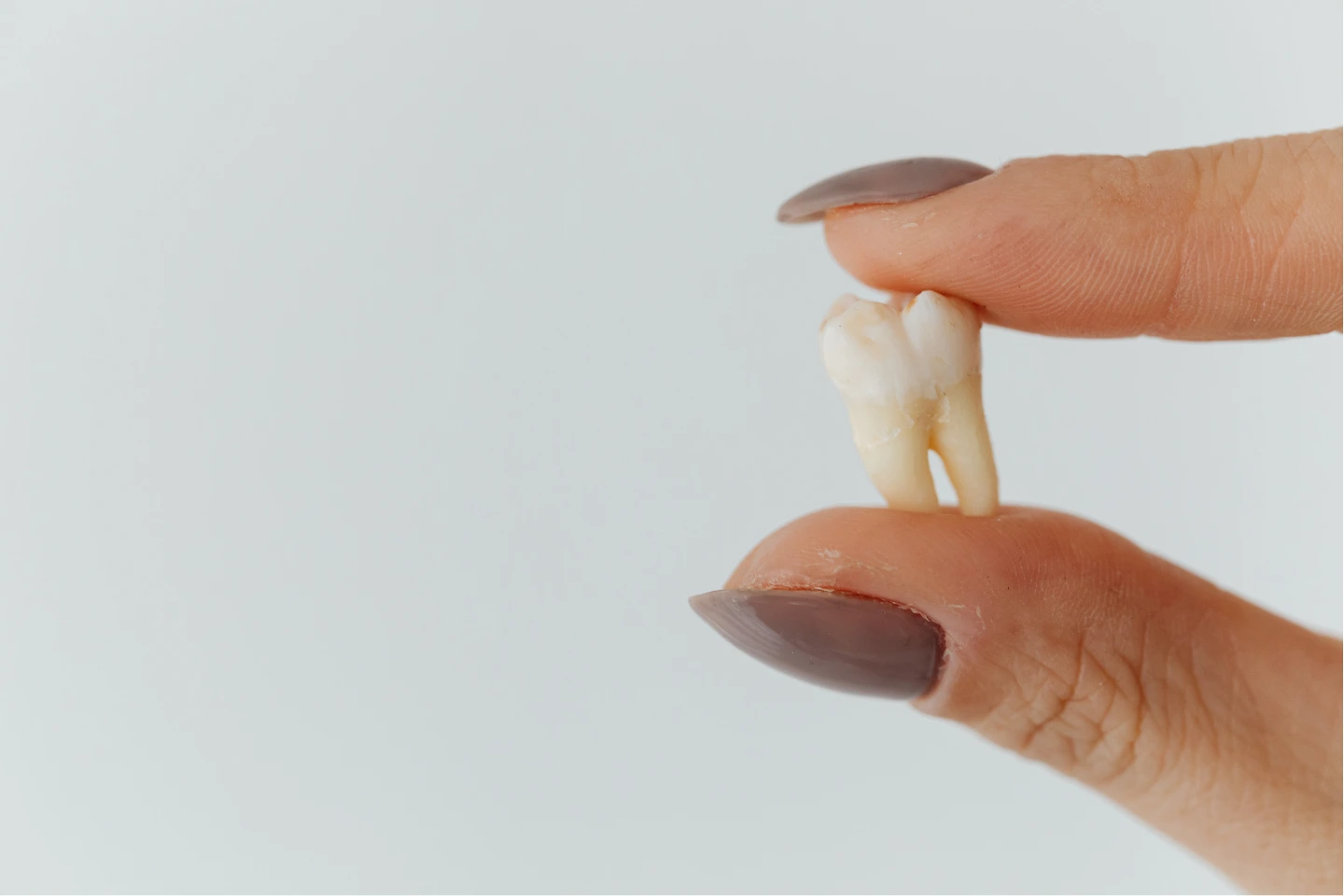
Tooth pain, lingering sensitivity, or swelling around a tooth can be signs of an underlying dental infection. When the inner pulp of a tooth becomes infected or inflamed, root canal treatment may help relieve discomfort, eliminate infection, and preserve your natural tooth.
At Palmer Smiles, we provide personalized dental care focused on protecting your oral health and helping you maintain a healthy, comfortable smile. If you are looking for root canal treatment in Pittsfield, MA, our team can evaluate your symptoms, explain your treatment options, and help you determine the most appropriate next step for your dental health.
What Is Root Canal Treatment?
Root canal treatment is a restorative dental procedure designed to treat infection or inflammation inside a tooth. Beneath the hard outer enamel and dentin is the dental pulp, which contains nerves and blood vessels. Deep cavities, cracks, dental injuries, or repeated dental procedures can damage this tissue and allow bacteria to cause an infection.
During a root canal procedure, the dentist removes the infected or damaged pulp, carefully cleans and disinfects the inside of the tooth, and seals the root canals to help prevent further infection.
A dental crown or another suitable restoration may be recommended afterward to protect the treated tooth and restore its strength and function.
For patients seeking root canal treatment in Pittsfield, Massachusetts, this procedure can often provide an alternative to tooth extraction while allowing the natural tooth to remain in place.
Signs You May Need a Root Canal in Pittsfield, MA
Not every toothache requires root canal treatment. However, certain symptoms may indicate damage or infection inside a tooth and should be evaluated by a dentist.
Common warning signs include:
- Persistent Toothache: Ongoing or throbbing tooth pain that does not go away or returns frequently.
- Sensitivity to Hot and Cold: Discomfort that continues after consuming hot or cold foods and beverages.
- Pain When Chewing: Tenderness or sharp pain when biting down or putting pressure on a tooth.
- Swollen or Tender Gums: Inflammation around a tooth that may indicate an underlying infection.
- A Pimple-Like Bump on the Gums: A small bump near the affected tooth can sometimes indicate a dental abscess.
- Tooth Discoloration: A tooth that becomes darker than the surrounding teeth may have damaged pulp.
- Cracked or Injured Tooth: A fracture or dental injury may expose the inner tissues of the tooth to bacteria.
Some teeth with pulp damage do not cause noticeable pain. Regular dental examinations can help identify problems before they become more serious.
If you experience severe tooth pain, facial swelling, or other signs of infection, seek prompt dental care. Facial swelling accompanied by difficulty breathing or swallowing requires emergency medical attention.
Benefits of Root Canal Treatment
Root canal therapy can help restore your oral health while preserving your natural tooth structure.
1. Helps Preserve Your Natural Tooth
Whenever possible, saving your natural tooth helps maintain your existing bite and supports normal chewing function. Root canal treatment can help avoid extraction when the tooth is suitable for restoration.
2. Relieves Tooth Pain
Inflamed or infected pulp can cause significant discomfort. By removing the affected tissue and treating the infection, root canal therapy can help resolve the source of the pain.
3. Treats Infection Inside the Tooth
Cleaning and disinfecting the root canals helps remove infected tissue and reduce the bacterial burden inside the tooth. Sealing the canals helps protect against reinfection.
4. Restores Chewing Function
Once the tooth has been treated and appropriately restored, you can generally return to normal chewing function as healing progresses and your dentist advises.
5. Helps Prevent Tooth Loss
When a tooth can be successfully treated and restored, root canal therapy may help you avoid extraction and the additional procedures that might be needed to replace a missing tooth.
6. Supports Long-Term Oral Health
With a suitable restoration, good oral hygiene, and routine dental visits, a root canal-treated tooth can remain functional for many years.
Our Root Canal Treatment Process
At Palmer Smiles, we understand that the thought of a root canal can make some patients anxious. Understanding what happens during treatment can help you feel more prepared and confident about your dental care.
Here is what you can generally expect when undergoing root canal therapy.
Step 1: Dental Examination and Diagnosis
Your dentist will review your symptoms, examine the affected tooth, and may take dental X-rays to evaluate the tooth roots and surrounding bone.
This assessment helps determine the extent of the damage and whether root canal treatment is the appropriate option.
Step 2: Local Anesthesia and Tooth Preparation
Local anesthesia is used to numb the affected area and help keep you comfortable during the procedure.
The dentist then isolates the tooth to maintain a clean working area and prepares a small opening to access the inner pulp.
Step 3: Removal of Infected or Damaged Pulp
The infected or inflamed pulp tissue is carefully removed from the inside of the tooth. This step addresses the damaged tissue that is contributing to the problem.
Step 4: Cleaning and Disinfection
The root canals are cleaned, shaped, and disinfected to remove remaining debris and reduce bacteria. Careful cleaning is important for treating the infection and preparing the tooth for sealing.
Step 5: Filling and Sealing the Root Canals
After cleaning, the canals are filled with a suitable biocompatible material and sealed to help prevent bacteria from entering the treated space.
A temporary or permanent filling may be placed to close the access opening.
Step 6: Final Restoration
Depending on the amount of remaining healthy tooth structure, your dentist may recommend a dental crown or another restoration.
A crown is frequently recommended for root canal-treated back teeth because it helps protect the remaining tooth structure against fracture during chewing.
Your dentist will explain the recommended restoration and any follow-up appointments needed to complete your treatment.
Is Root Canal Treatment Painful?
One of the most common concerns patients have about root canal treatment is whether the procedure will hurt.
Modern root canal treatment is performed using local anesthesia to numb the tooth and surrounding area. Most patients tolerate the procedure well, and many find that treating the infected tooth relieves the pain they were experiencing beforehand.
You may notice mild tenderness or discomfort for a few days after treatment, particularly if the surrounding tissues were inflamed before the procedure. Your dentist can provide instructions for managing these symptoms and advise you about appropriate pain relief.
If you experience severe pain, increasing swelling, or symptoms that worsen rather than improve, contact your dental provider promptly.
At Palmer Smiles, we want patients to understand their treatment options and feel comfortable discussing any concerns before their procedure begins.
What Causes a Tooth to Need a Root Canal?
Several dental problems can damage the pulp inside a tooth and make root canal treatment necessary.
Deep Tooth Decay
Untreated cavities can progress through the enamel and dentin until bacteria reach the pulp. Once the pulp becomes irreversibly inflamed or infected, a root canal may be recommended.
Cracked or Fractured Teeth
Cracks can allow bacteria to enter the inner tissues of a tooth. Depending on the location and severity of the crack, root canal treatment may help save the tooth.
Dental Trauma
A blow to the mouth, sports injury, or accident can damage the pulp even when the outside of the tooth appears relatively normal.
Repeated Dental Procedures
A tooth that has undergone multiple dental procedures may develop pulp inflammation or damage over time.
Advanced Infection
When bacteria reach the pulp, infection can develop inside the tooth and sometimes spread to the surrounding tissues. Prompt evaluation can help determine the appropriate treatment.
Early dental care can help identify decay and other problems before they cause extensive damage.
Root Canal Treatment vs. Tooth Extraction
When a tooth is severely damaged or infected, your dentist may discuss root canal treatment and tooth extraction as possible options.
The right choice depends on the extent of the damage, the condition of the surrounding bone and gums, and whether the tooth can be predictably restored.
Root canal treatment may be appropriate when:
- The natural tooth can still be restored.
- Enough healthy tooth structure remains to support a restoration.
- The surrounding periodontal tissues provide suitable support.
- Preserving the tooth is a reasonable long-term option.
Tooth extraction may be considered when:
- The tooth is too severely damaged to restore.
- A fracture extends into a part of the root that makes the tooth unsuitable for treatment.
- Extensive decay has destroyed too much of the remaining tooth structure.
- Other clinical factors make saving the tooth unlikely to succeed.
Whenever appropriate, preserving a natural tooth can help maintain normal chewing function and avoid the need for replacement treatment.
Your dentist will evaluate your individual circumstances and explain the advantages, limitations, and costs of the available options.
Aftercare Tips Following Root Canal Treatment
Following your dentist's instructions is important for protecting your treated tooth and supporting recovery.
Keep these practical recommendations in mind after your procedure:
- Avoid Chewing on the Treated Tooth Initially: Be cautious with the affected tooth, especially while a temporary filling is in place or before a recommended crown is fitted.
- Choose Softer Foods if Needed: Soft foods can make eating more comfortable while any tenderness settles.
- Maintain Good Oral Hygiene: Continue brushing gently twice a day and cleaning between your teeth daily.
- Follow Medication Instructions: If your dentist recommends medication, use it according to the instructions provided.
- Complete Your Final Restoration: Attend follow-up appointments and arrange any recommended crown or permanent filling to protect the tooth.
- Monitor Your Symptoms: Contact your dentist if you notice increasing pain, swelling, a lost temporary filling, or other unexpected changes.
Root canal treatment does not eliminate the need for routine dental care. Regular examinations and professional cleanings help protect the treated tooth and the rest of your smile.
Why Choose Palmer Smiles for Root Canal Treatment?
Choosing a dental provider for restorative treatment is an important decision. At Palmer Smiles, we emphasize personalized care, clear communication, and treatment recommendations based on each patient's needs.
Personalized Dental Care
Every tooth and patient is different. Our approach begins with understanding your symptoms, evaluating your oral health, and discussing the treatment options appropriate for your situation.
A Comfort-Focused Approach
We understand that dental procedures can cause anxiety. We aim to create a welcoming environment where you can ask questions, share your concerns, and better understand what to expect during treatment.
Focus on Preserving Natural Teeth
Whenever clinically appropriate, saving a natural tooth is an important consideration in restorative dentistry. Root canal therapy may help preserve the tooth while addressing the infection inside it.
Clear Treatment Recommendations
We explain why a procedure may be recommended, what the treatment involves, and whether additional restorative care may be needed afterward.
Comprehensive Dental Care
In addition to root canal treatment, Palmer Smiles offers a range of dental services designed to support preventive, restorative, and long-term oral health.
If you are searching for root canal treatment in Pittsfield, MA, contact our team to discuss your dental concerns and arrange an evaluation.
Frequently Asked Questions
1. How do I know if I need a root canal?
Persistent tooth pain, prolonged sensitivity to hot or cold, pain when chewing, gum swelling, or tooth discoloration may indicate a problem with the dental pulp. However, these symptoms can have other causes. A dental examination and, when appropriate, X-rays are needed to determine whether a root canal is necessary.
2. Can a root canal save my natural tooth?
Yes. Root canal treatment is designed to remove infected or damaged pulp while preserving the remaining natural tooth. The tooth must have enough healthy structure and adequate supporting tissues to be restored successfully.
3. How long does root canal treatment take?
Treatment time varies depending on the tooth's location, the number and complexity of its root canals, and the extent of infection. Some cases can be completed in one appointment, while others require multiple visits.
4. Will I need a dental crown after a root canal?
A crown is often recommended for back teeth because they experience substantial chewing forces. Whether you need a crown depends on the amount of remaining tooth structure, the location of the tooth, and other clinical considerations.
5. How long does recovery take after a root canal?
Many patients return to their usual activities soon after treatment. Mild tenderness may continue for several days, particularly when the tissues around the tooth were inflamed. Recovery varies from person to person. Contact your dentist if pain becomes severe or swelling develops or increases.
6. Can I eat normally after a root canal?
You can generally resume eating as your comfort allows, but you should avoid chewing hard or sticky foods on the treated tooth until your dentist confirms that it is safe. If a temporary filling is present, protect the tooth until the final restoration is completed.
7. What happens if I delay root canal treatment?
If the pulp is infected or irreversibly damaged, delaying appropriate treatment may allow the condition to worsen. Infection can spread to surrounding tissues, and the tooth may become more difficult to save. Seek a dental evaluation promptly if you have symptoms of a possible infection.
8. Is root canal treatment better than extraction?
When a tooth can be predictably restored, root canal treatment may help preserve your natural tooth and its normal function. Extraction may be necessary when the tooth cannot be saved. Your dentist can help you compare the treatment options based on your oral health needs.
9. How much does root canal treatment cost in Pittsfield, MA?
The cost depends on the tooth being treated, the complexity of the procedure, the number of appointments required, and whether a crown or another restoration is needed. Dental insurance benefits can also affect your out-of-pocket expenses. Contact Palmer Smiles to discuss your treatment needs and obtain cost information specific to your case.
10. When should I seek urgent dental care for tooth pain?
Seek prompt dental care if you have persistent or severe tooth pain, gum swelling, or a suspected dental abscess. If you experience difficulty breathing or swallowing or rapidly spreading facial or neck swelling, seek emergency medical care immediately.
Schedule Your Root Canal Consultation in Pittsfield, MA
Tooth pain and dental infections can affect your ability to eat comfortably, sleep well, and enjoy everyday activities. The right treatment can help address the underlying problem and protect your long-term oral health.
At Palmer Smiles, we are committed to helping patients understand their dental conditions and make informed decisions about their care. If you are experiencing tooth pain, lingering sensitivity, or signs of infection, schedule an evaluation to determine whether root canal treatment is appropriate for you.
Visit Our Dental Office!

Opening Hours:
Tuesday: 8 a.m. to 5 p.m.
Wednesday: 9 a.m. to 4 p.m.

Phone: 413-283-6182


Professional Memberships & Trusted Partnerships
A proud member of leading dental organizations like AGD, MDS, AADSM, and more, we reflect our commitment to excellence and trusted care.





Palmer Smile Dental Care: Expert, Compassionate Dentistry for a Healthy, Bright Smile. Visit Us Today!


© 2026 Palmer Smiles Dental Care. All rights reserved | Privacy Policy | Powered By Remedo