Sleep Apnea and Your Teeth: 8 Oral Signs to Watch For
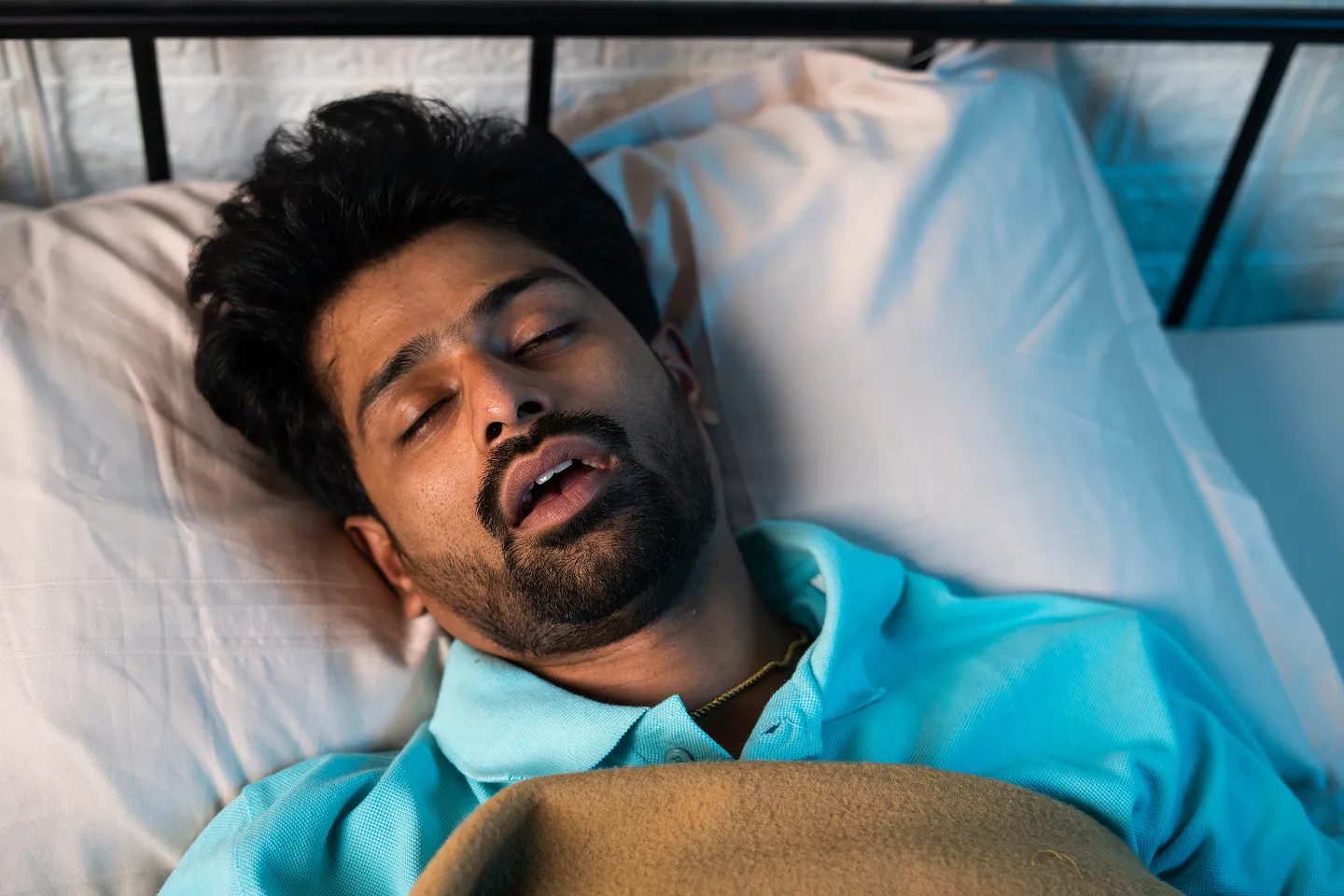
Sleep apnea is often associated with loud snoring, daytime fatigue, and interrupted sleep. But did you know that it can also affect your mouth and teeth?
When breathing repeatedly stops or becomes restricted during sleep, your body responds by briefly waking you up to restore normal breathing. This can happen many times throughout the night, even if you do not remember waking up. Along with disrupting sleep, sleep apnea can contribute to mouth breathing, dry mouth, teeth grinding, and other oral health concerns.
Because some of these signs may appear in the mouth before sleep apnea is diagnosed, your dentist may notice clues that are worth discussing with your doctor.
At Palmer Smiles, understanding the connection between oral health and overall health can help patients recognize potential concerns early. Here are eight oral signs that may be associated with sleep apnea and what they could mean for your dental health.
What Is Sleep Apnea?
Sleep apnea is a sleep disorder in which breathing repeatedly stops or becomes reduced during sleep. The most common type is obstructive sleep apnea (OSA), which occurs when the muscles and tissues around the throat relax and partially or completely block the airway.
Each breathing interruption can last several seconds and may occur repeatedly throughout the night. As a result, the body may not get the consistent oxygen and restful sleep it needs.
Common symptoms of sleep apnea include:
- Loud or frequent snoring
- Gasping or choking during sleep
- Waking with a dry mouth
- Morning headaches
- Daytime sleepiness
- Difficulty concentrating
- Irritability or mood changes
- Waking frequently during the night
Not everyone with sleep apnea snores, and some people may not realize they have a problem until a partner or family member notices changes in their breathing.
How Can Sleep Apnea Affect Your Oral Health?
Sleep apnea does not directly cause every dental problem. However, changes associated with the condition, particularly nighttime mouth breathing, reduced saliva, and teeth grinding, can create an environment where certain oral health problems become more likely.
Here are eight oral signs to watch for.
1. Waking Up With a Dry Mouth
One of the most noticeable oral signs associated with sleep apnea is waking up with a dry mouth.
People with obstructive sleep apnea may breathe through their mouth while sleeping because airflow through the nose is restricted. Mouth breathing can reduce the protective effects of saliva and leave the mouth feeling dry or sticky when you wake up.
Saliva plays an important role in oral health. It helps wash away food particles, neutralize acids, and protect teeth and soft tissues.
When the mouth stays dry for hours overnight, bacteria can multiply more easily. This may increase the risk of tooth decay, gum problems, and bad breath.
If you regularly wake up feeling like you need a glass of water before anything else, it is worth mentioning this symptom to your dentist or healthcare provider.
2. Increased Risk of Tooth Decay
Dry mouth and tooth decay can go hand in hand.
Saliva helps protect your teeth from acids produced by oral bacteria. When saliva flow is reduced, this natural protection may be weakened.
Over time, a consistently dry oral environment can contribute to plaque buildup and cavities, particularly if oral hygiene habits are not keeping pace with the increased risk.
You may notice sensitivity, small cavities, or recurring dental problems even though your brushing and flossing routine has not changed.
If you are experiencing frequent cavities alongside nighttime mouth breathing or other symptoms of sleep apnea, talk with your dentist about what may be contributing to the problem.
3. Bad Breath in the Morning
Morning breath is common, but persistent or particularly strong bad breath may be connected to dry mouth.
When you sleep, saliva production naturally decreases. If you also breathe through your mouth throughout the night, the mouth can become even drier.
This creates favorable conditions for odor-causing bacteria.
If brushing your teeth, cleaning your tongue, drinking water, and maintaining regular dental cleanings do not seem to resolve ongoing bad breath, there may be an underlying cause worth investigating.
Bad breath alone does not mean you have sleep apnea, but when it occurs with loud snoring, dry mouth, or daytime fatigue, it may be another clue.
4. Teeth Grinding or Bruxism
Do you wake up with sore jaw muscles, sensitive teeth, or unexplained tooth damage?
You may be grinding or clenching your teeth while sleeping.
This is known as bruxism. Nighttime teeth grinding can place considerable pressure on the teeth and jaw. Over time, it may cause flattened or chipped teeth, increased sensitivity, headaches, and jaw discomfort.
Research has found an association between sleep-related breathing disorders and sleep bruxism, although the relationship is complex and does not mean that sleep apnea causes teeth grinding in every person.
Your dentist may notice signs of bruxism during a routine examination, including unusual tooth wear or damage.
If these signs are accompanied by snoring or interrupted breathing during sleep, it may be worth discussing sleep apnea with your healthcare provider.
5. Tooth Sensitivity and Enamel Wear
Repeated teeth grinding can gradually wear down the protective enamel covering your teeth.
As enamel becomes thinner, the underlying dentin may become more exposed. This can result in sensitivity when you eat or drink something hot, cold, sweet, or acidic.
You may also notice that your teeth look flatter or that small edges appear chipped.
Tooth sensitivity can have many causes, including gum recession, cavities, acidic foods, and enamel erosion. However, unexplained enamel wear can be a sign of nighttime grinding that deserves attention.
Your dentist can evaluate the pattern of wear and determine whether bruxism may be contributing.
6. Gum Problems
Dry mouth, plaque buildup, and changes in oral bacteria can contribute to gum problems.
Healthy gums generally appear firm and pink and should not bleed regularly when you brush or floss. If your gums are frequently swollen, tender, red, or bleeding, it could be a sign of gingivitis or another periodontal concern.
Gum disease is not a direct diagnosis of sleep apnea, but oral health and sleep health can overlap in several ways.
If you are experiencing gum inflammation along with persistent dry mouth, mouth breathing, snoring, or other sleep-related symptoms, mention the full picture to your dental and medical providers.
7. Jaw Pain and Morning Headaches
Waking up with a sore jaw or headache may be another sign that you are clenching or grinding your teeth at night.
Repeated jaw muscle activity can place stress on the temporomandibular joints, the muscles around the jaw, and the teeth.
Some people notice:
- Jaw soreness when waking
- Facial muscle tenderness
- Tooth pain without an obvious cavity
- Headaches around the temples
- Clicking or popping in the jaw
- Difficulty opening the mouth comfortably
These symptoms can have several possible causes. However, if they occur alongside snoring or disrupted sleep, it is worth discussing them with a dental professional.
8. A Narrow or Crowded Mouth and Other Airway Clues
Certain oral and facial characteristics may be associated with an increased risk of obstructive sleep apnea.
A narrow upper jaw, crowded teeth, a high-arched palate, or other structural features can sometimes affect the available space for the tongue and airway.
Dentists cannot diagnose sleep apnea simply by looking at your teeth. However, an oral examination can sometimes identify features that warrant further evaluation.
This is particularly important when dental findings occur alongside symptoms such as loud snoring, nighttime gasping, morning headaches, or excessive daytime sleepiness.
Can a Dentist Help Identify Sleep Apnea?
Yes. While dentists do not diagnose sleep apnea based solely on an oral examination, they may recognize signs that suggest you should speak with a physician or sleep specialist.
During a dental visit, your dentist may notice:
- Excessive tooth wear
- Signs of nighttime grinding
- Dry mouth
- Gum inflammation
- Changes in the bite
- Certain oral or jaw characteristics
If your symptoms suggest a possible sleep-related breathing disorder, your dentist may recommend discussing them with your healthcare provider. A sleep evaluation may be needed to determine whether sleep apnea is present.
What Can You Do If You Notice These Signs?
Do not assume that a dental symptom automatically means you have sleep apnea. Many oral health problems have multiple possible causes.
Start by scheduling a dental examination if you have recurring tooth sensitivity, enamel wear, jaw pain, cavities, gum problems, or persistent dry mouth.
At the same time, pay attention to your sleep symptoms.
Ask yourself:
- Do I snore loudly?
- Has someone noticed that I stop breathing during sleep?
- Do I wake up choking or gasping?
- Do I wake with a very dry mouth?
- Am I unusually tired during the day?
- Do I wake up with headaches?
- Do I grind or clench my teeth?
If several of these symptoms sound familiar, speak with a healthcare provider about whether a sleep apnea evaluation may be appropriate.
Protecting Your Teeth While Addressing Sleep Concerns
Good oral hygiene remains important whether or not you have sleep apnea.
Brush twice a day with fluoride toothpaste, clean between your teeth daily, stay hydrated, and keep up with regular dental examinations and professional cleanings.
If you grind your teeth, your dentist may also recommend a custom nightguard to help protect your teeth from excessive pressure. A nightguard does not treat the underlying cause of sleep apnea, but it may help reduce tooth damage from grinding.
If dry mouth is a concern, your dentist can also recommend strategies to support moisture and reduce the risk of cavities.
Most importantly, do not ignore persistent symptoms. Treating the underlying sleep problem, when present, can be an important part of protecting both your overall health and your oral health.
When Should You See a Dentist?
Consider scheduling an appointment if you notice persistent dry mouth, unexplained tooth wear, frequent cavities, recurring jaw pain, gum bleeding, or morning discomfort.
You should also speak with a healthcare provider if you or someone close to you notices pauses in breathing, loud chronic snoring, nighttime gasping, or significant daytime sleepiness.
Sleep apnea is a medical condition that deserves proper evaluation. Your dentist can be one part of the team helping you recognize potential warning signs and protect your oral health.
Take the Next Step With Palmer Smiles
Your teeth and gums can sometimes provide clues about what is happening beyond your mouth. If you are experiencing signs such as dry mouth, tooth wear, jaw discomfort, or recurring dental problems, Palmer Smiles can help evaluate your oral health and discuss possible contributing factors.
Schedule a dental appointment with Palmer Smiles to keep your smile healthy and discuss any oral symptoms that may be affecting your daily life.
Frequently Asked Questions
Q1: Can sleep apnea cause tooth decay?
A: Sleep apnea does not directly cause tooth decay, but related factors such as nighttime mouth breathing and dry mouth can reduce saliva's protective effects and may increase the risk of cavities.
Q2: Can sleep apnea cause dry mouth?
A: Yes. People with obstructive sleep apnea may breathe through their mouths during sleep, which can contribute to dry mouth. Reduced saliva overnight may also increase the risk of bad breath, cavities, and gum problems.
Q3: Is teeth grinding a sign of sleep apnea?
A: Teeth grinding, or sleep bruxism, can occur alongside sleep-related breathing disorders. However, grinding does not necessarily mean that someone has sleep apnea. A dentist or healthcare provider can help determine whether further evaluation is appropriate.
Q4: Can a dentist tell if I have sleep apnea?
A: A dentist cannot diagnose sleep apnea through a routine dental examination alone. However, they may notice signs such as tooth wear, grinding, dry mouth, or certain oral characteristics that could warrant a conversation with your healthcare provider.
Q5: Why do I wake up with a dry mouth and bad breath?
A: Saliva production naturally decreases during sleep, and mouth breathing can make dryness worse. This can allow odor-causing bacteria to build up overnight, contributing to morning bad breath.
Q6: Can sleep apnea affect my gums?
A: Sleep apnea is not considered a direct cause of gum disease, but factors associated with the condition, including dry mouth and mouth breathing, may contribute to an environment that makes maintaining healthy gums more difficult.
Q7: What are the warning signs of sleep apnea?
A: Common warning signs include loud snoring, pauses in breathing during sleep, gasping or choking at night, morning headaches, dry mouth, daytime sleepiness, and difficulty concentrating. Some people may also experience oral signs such as teeth grinding or unusual tooth wear.
Q8: Should I see a dentist if I think I have sleep apnea?
A: Yes, a dental examination can help identify oral problems associated with nighttime grinding, dry mouth, and other symptoms. However, suspected sleep apnea should also be discussed with a healthcare provider who can determine whether a sleep evaluation is needed.
Visit Our Dental Office!

Opening Hours:
Tuesday: 8 a.m. to 5 p.m.
Wednesday: 9 a.m. to 4 p.m.

Phone: 413-283-6182


Professional Memberships & Trusted Partnerships
A proud member of leading dental organizations like AGD, MDS, AADSM, and more, we reflect our commitment to excellence and trusted care.


Palmer Smile Dental Care: Expert, Compassionate Dentistry for a Healthy, Bright Smile. Visit Us Today!


© 2026 Palmer Smiles Dental Care. All rights reserved | Privacy Policy | Powered By Remedo